1929
30 lines on a spinning disc
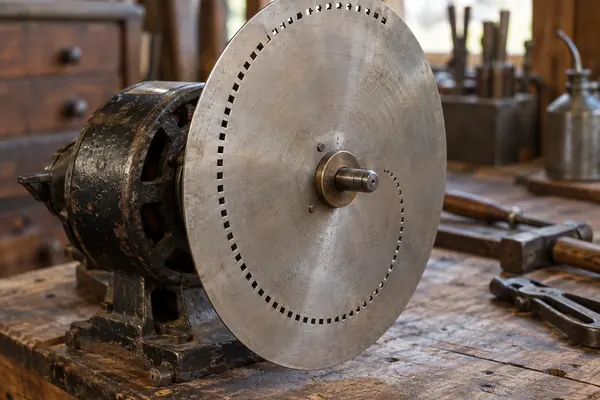
Baird’s first sets scanned the picture with a spinning Nipkow disc. His regular experimental broadcasts from 1929 used just 30 lines.
Pick a year doodlehd
Start
A SHORT HISTORY OF SHARP
HD is older than you think.
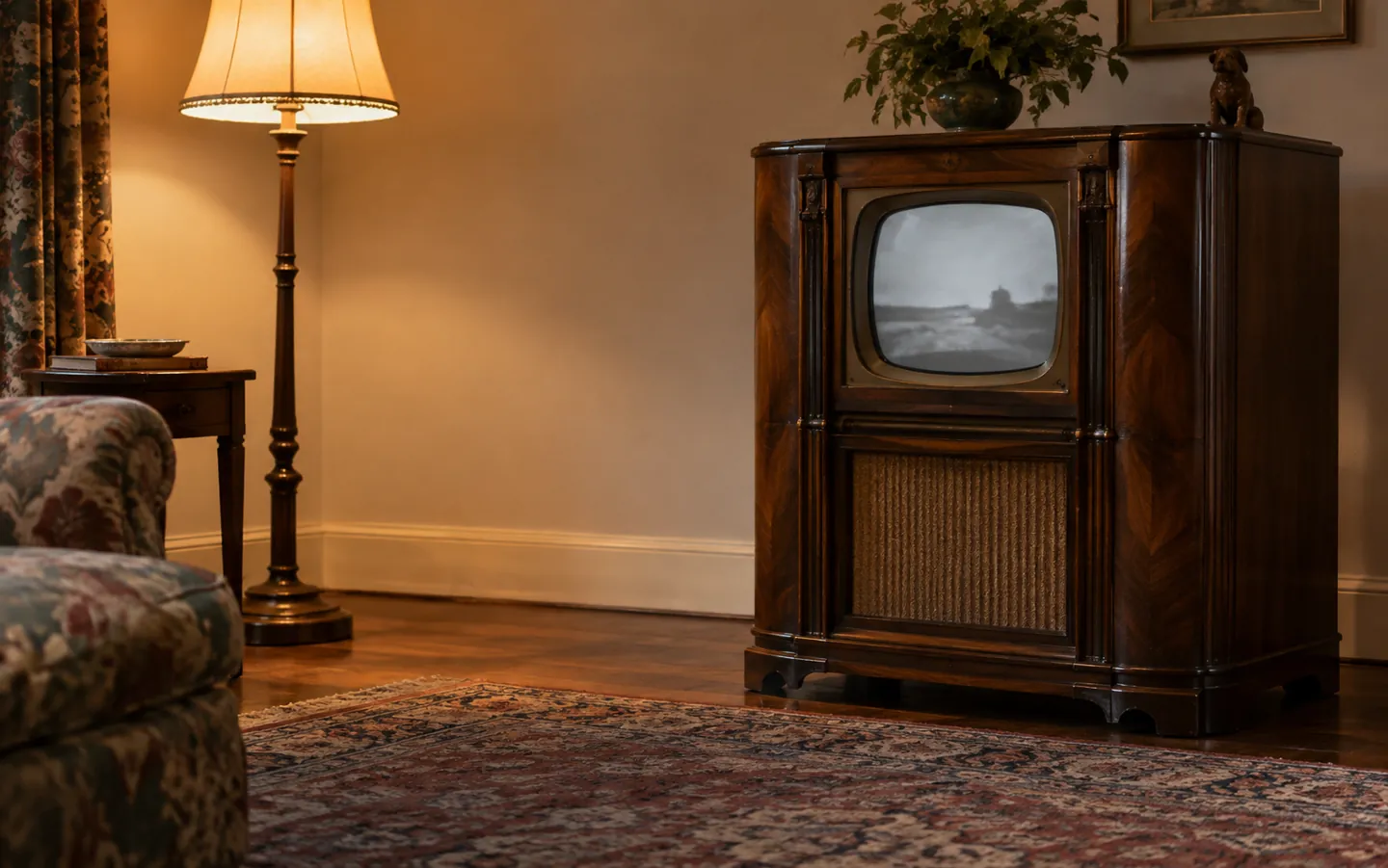
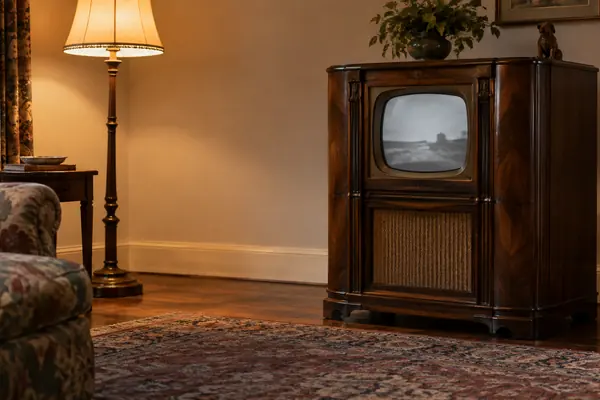
When BBC Television began regular broadcasts from Alexandra Palace on 2 November 1936, it called them high definition. The picture had 405 lines. The bar for ‘sharp’ has been rising ever since.
405 LINEShigh definition in 1936
Pick a yearKeep in mind
THE SHORT ANSWER
A TV picture is drawn in lines.
The more lines, the finer the detail it can show.
1929
Baird’s first sets scanned the picture with a spinning Nipkow disc. His regular experimental broadcasts from 1929 used just 30 lines.
Pick a year1936
The 1935 Television Advisory Committee counted 240 lines or more as high definition. The BBC’s 1936 service used 405-line and 240-line systems.
See the numbersTODAY
The international HDTV standard, ITU-R BT.709, sets 1,080 active lines of 1,920 samples each, in a 16:9 picture.
Read the timelinePICK A YEAR
Choose a moment in British television to see what counted as a sharp picture then. The bar shows how fine the picture was compared with the others.
Dates from the National Science and Media Museum timeline of British television and Science Museum Group collection records.
TWO NUMBERS WORTH KNOWING
What high definition meant in 1936,
and what the HD standard means today.
405 lines
Lines in the Marconi-EMI picture
Marconi-EMI’s 405-line interlaced system ran alongside Baird’s 240-line system until Baird’s was dropped after about three months. By the 1937 coronation broadcast, 9,000 sets had been sold in the London area.
1936 · BBC TELEVISION
1,080 lines
Active lines in an HDTV picture
The HDTV standard specifies 1,080 active lines, each with 1,920 samples, square pixels and a 16:9 aspect ratio.
TODAY · ITU-R BT.709
By the outbreak of war on 1 September 1939, when British television was shut down, there were an estimated 20,000 TV sets in Britain. The service reopened on 7 June 1946.
FOUR STEPS TO HD
Each step made the previous ‘high definition’ look soft. These are the turning points recorded by the National Science and Media Museum.

Step 1
Baird showed television to members of the Royal Institution in his London laboratory on 26 January 1926.
Step 2
Alexandra Palace began regular broadcasts, and the electronic 405-line system won within months.
Step 3
BBC2 opened on 625 lines in 1964; colour came to BBC2 in 1967 and to BBC1 and ITV in 1969.
Step 4
BBC HD started in 2006, and the analogue switch-off, begun in 2007, finished in October 2012.
THE SPINNING DISC
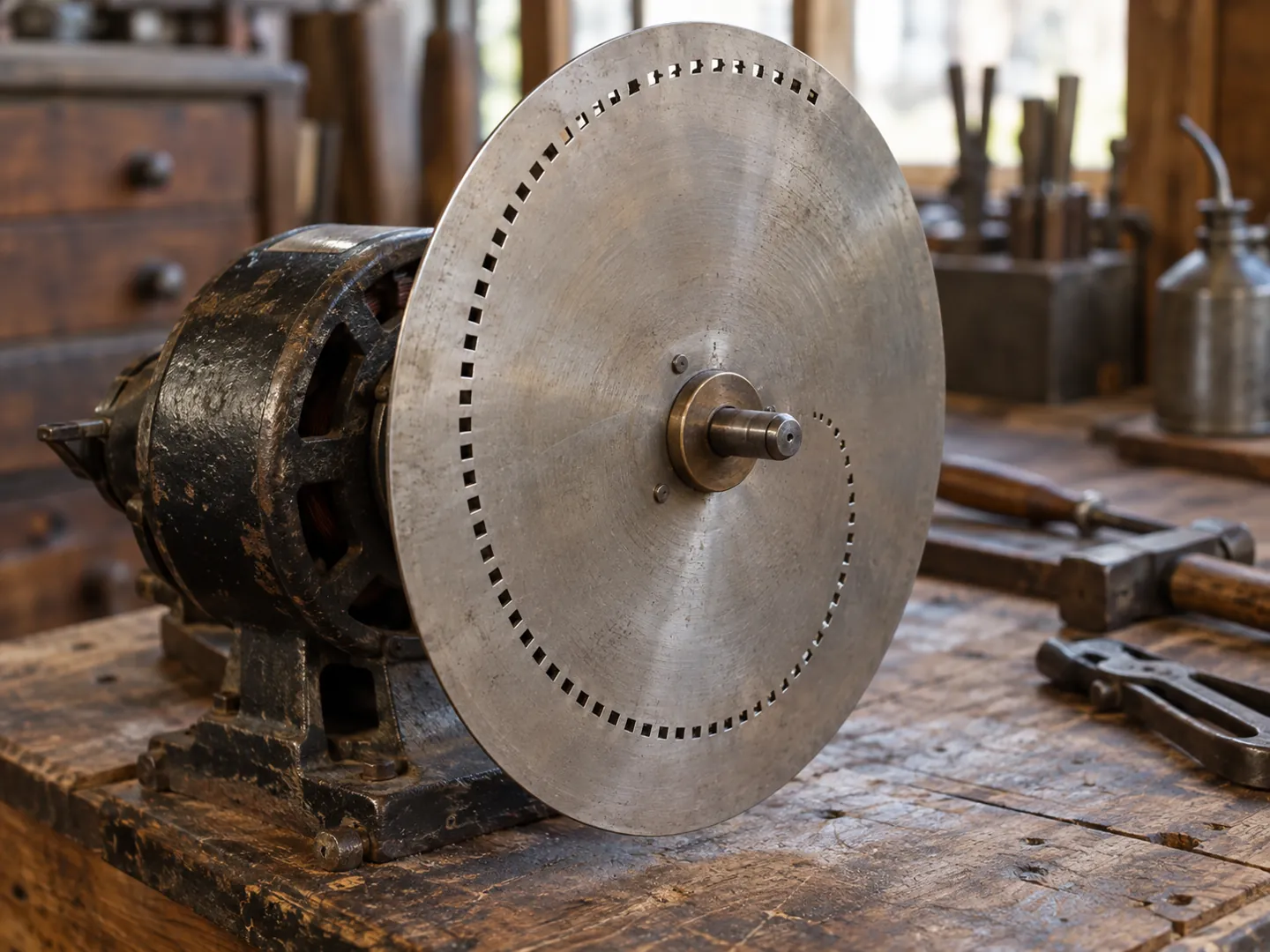
The Science Museum Group describes Baird’s first apparatus: 30 lenses in a spiral on a cardboard disc cut from a hat box, a darning needle as a spindle and a motor on an old tea chest. Each lens scanned a different part of the subject.
The idea came from the German physicist Paul Nipkow in 1884, who did not have the technology to realise it. Baird’s 1928 ‘Noah’s Ark’ receivers used a spinning Nipkow disc and a neon lamp to rebuild the 30-line picture.
Questions
Because it was a huge step up from the 30-line pictures of the early experiments. In 1935 the Television Advisory Committee looked at ‘high definition’ systems of 240 lines or more.
The BBC alternated it week by week with Marconi-EMI’s 405-line system from November 1936. It was abandoned on 6 February 1937 on the advice of the Television Advisory Committee.
It is the number of active lines in the picture. The ITU-R BT.709 HDTV standard sets 1,080 active lines, each with 1,920 samples, in a 16:9 picture.
PAL colour was adopted for the UK in March 1966. Regular colour began on BBC2 on 1 July 1967 and on BBC1 and ITV on 15 November 1969.
The BBC began broadcasting in HD on BBC HD on 27 May 2006. Freesat brought the first non-subscription HD channels in 2008, and Freeview HD launched in March 2010.
Destination
Updated
ABOUT THIS NAME
doodlehd.com is part of the DoodleSale portfolio. It isn't in an auction right now, but you can ask about leasing it.